

Blog
Living Room Decor Ideas for Nigerian Homes (2026)

The best living room decor ideas for Nigerian homes start with a calm neutral base, one or two accent colours, layered lighting, plants and a few personal pieces. Decor is the finishing layer: vases, cushions, lamps, art and textiles that make an existing sitting room feel warm, current and unmistakably yours.
This guide focuses on interior decoration rather than layout or construction. You will find the Nigerian interior design trends shaping 2026, home decor colour combination ideas, accessory styling, lighting, greenery, gallery walls and the simple decorating rules designers use. Where a Vento piece genuinely illustrates an idea, we show it, so you can picture the finished look.
Nigerian Interior Design Trends Shaping Living Room Decor in 2026
Across Lagos, Abuja and Port Harcourt, the mood in sitting room decor has shifted from crowded and glossy to calm, considered and personal. Homeowners still love a statement, but they want it to sit against a quieter background, last through daily family life and reflect where they come from. Four trends stand out this year, and each one can be achieved with decor alone, without knocking down a wall or replacing every chair.
Softer Neutrals Warmed by Wood and Brass
Warm greys, creams, sand and oatmeal tones have replaced stark white and heavy gold-on-everything. The neutral base reflects the tropical light, keeps a room feeling fresh in the dry season and lets accessories do the talking. Warmth comes back through wood grain, antique brass and cream enamel, which read as luxurious without shouting. A pale ring vase on a side table is a typical 2026 touch: sculptural, pale and quietly expensive-looking.

Fewer, Better Statement Pieces
The cluttered display cabinet is giving way to edited surfaces. Instead of twenty small ornaments, people choose three or four pieces with presence: a sculpture, a tall vase, a lamp with character. This “simplicity with impact” approach also makes cleaning easier during harmattan, when fine dust settles on every exposed surface. Edit first, then add one hero object per zone of the room.
Curves, Sculpture and Collected Objects
Round coffee tables, arched mirrors, ring vases and animal or bird sculptures soften the hard lines of a typical Nigerian flat. Designers also recommend one collected or vintage-looking item per room, such as a brass hourglass or a carved chess set, because it gives the space a story. These pieces work best when they share a thread with the rest of the room, for example the same brass tone as a lamp base.

Local Character: Ankara, Adire and POP Details
Nigerian decor is increasingly confident about its own vocabulary. Ankara or adire cushion covers, aso-oke throws, woven baskets and framed Nigerian art sit happily beside contemporary furniture. Many parlours also use the ceiling as a decor layer, with soft cove lighting set into plaster; our guide to pop design for sitting room covers those ceiling options. Keep the rest of the room calm so the local textiles and the ceiling detail can shine.
Home Decor Colour Combination Ideas
Colour is the fastest and most affordable way to change how a room feels, and most of it can live in cushions, curtains, rugs, vases and art rather than on the walls. A good home decor colour combination usually has three parts: a neutral base, a main accent and a metal or wood finish that ties everything together. The combinations below suit the bright light and warm climate of Nigerian homes.
| Base | Accent | Finish | Mood |
|---|---|---|---|
| Cream and sand | Teal or deep blue | Antique brass | Calm, coastal, fresh |
| Warm grey | Terracotta and rust | Dark wood | Earthy and welcoming |
| Soft white | Olive and sage green | Natural wood | Relaxed and organic |
| Oatmeal beige | Black accents | Gold and marble | Formal, glamorous |
| Ivory | Ankara multicolour | Woven cane | Lively and cultural |
The 60-30-10 Split
A reliable way to balance any palette is to give about 60 percent of the room to the base colour (walls, large rugs, the sofa), 30 percent to a secondary shade (curtains, accent chairs, a rug) and 10 percent to the accent (cushions, vases, art). The ratio stops a bold accent from overwhelming the room and keeps the eye moving from one pop of colour to the next.
Teal, Terracotta and Olive Accents
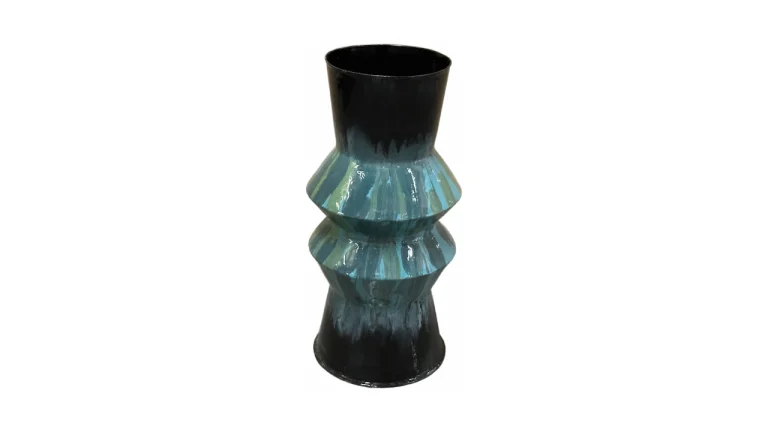
These three accents are leading this year because they pair well with both cream and grey bases. Teal and deep blue feel cooling on hot afternoons; terracotta and rust echo laterite earth and clay pottery; olive and sage connect the room to indoor plants. Repeat your chosen accent at least three times across the room, for example a vase, two cushions and one framed print, so it looks intentional.
Colours That Make a Small Room Feel Bigger
Light, cool or soft neutral shades such as off-white, pale grey, sand and light sage recede visually, so a compact parlour feels more open. Keep curtains close to the wall colour, choose a rug a shade or two darker than the floor, and limit strong accents to small objects. For space-saving furniture and storage, see our small sitting room design ideas, then return here to layer the decor.
Sitting Room Decor Accessories That Do the Heavy Lifting
Accessories are where a living room gets its personality. The goal is not to fill every surface but to give each surface one clear story. Think in zones: the coffee table, the shelves, the console or side tables, and the walls. Each zone needs a mix of height, shape and texture, and every accessory should share at least one colour or material with something else in the room.
Vases and Sculptural Pieces
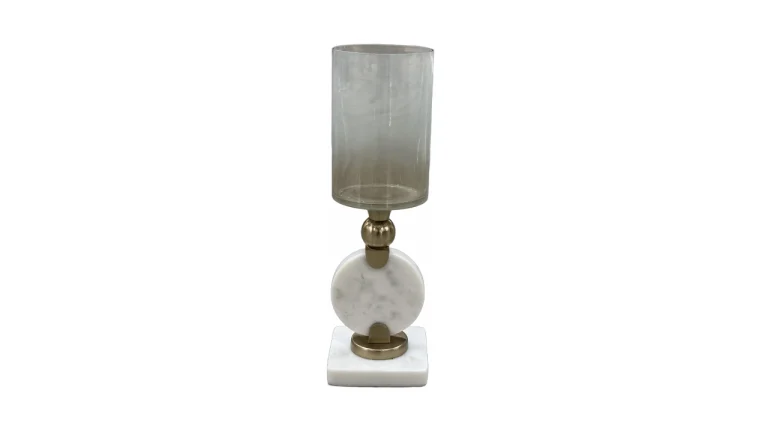
A tall vase adds height where a room feels flat, while a low, wide one anchors a coffee table. Cream enamel with a brass collar suits classic rooms; matte white ceramic suits minimalist spaces. Use vases empty as sculpture, or fill them with dried pampas, palm fronds or a single stem of fresh flowers. Group two vases of different heights rather than lining up a matching pair.

Coffee Table Styling
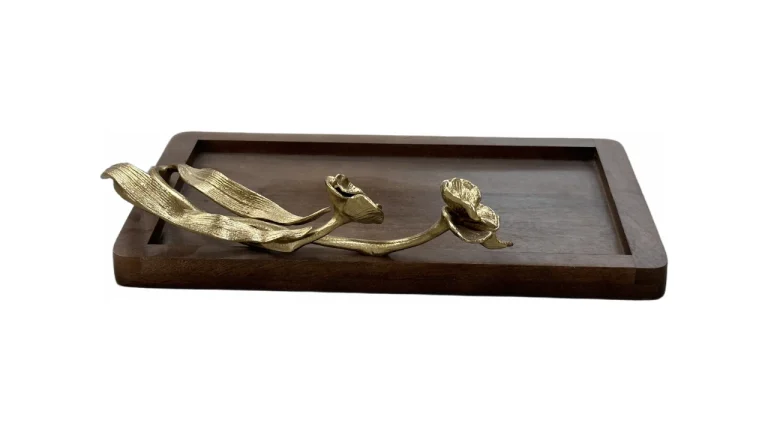
Start with a tray to corral small items, then add three objects of different heights: something tall (a vase or candle holder), something medium (a stack of two or three books) and something low (a bowl or a small sculpture). Leave at least a third of the table clear for cups and remotes. A round table softens a boxy sofa arrangement and makes the styled tray the natural centrepiece.

Shelf Styling and Floating Shelves
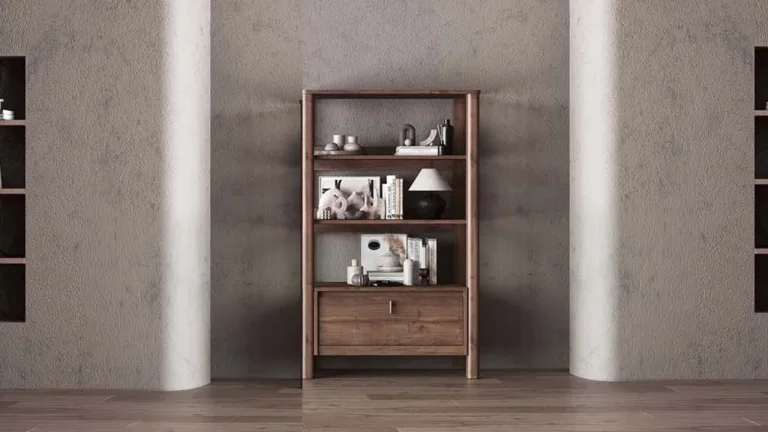
Open shelves and floating shelves are ideal for displaying decor without taking floor space. Mix horizontal book stacks with upright books, add a plant on every second shelf, and leave about a third of each shelf empty so the arrangement can breathe. Asymmetry looks more natural than mirror-image styling: place a tall object on the left of one shelf and on the right of the next. A shallow drawer below keeps chargers and clutter out of sight.
Clocks and Conversation Pieces
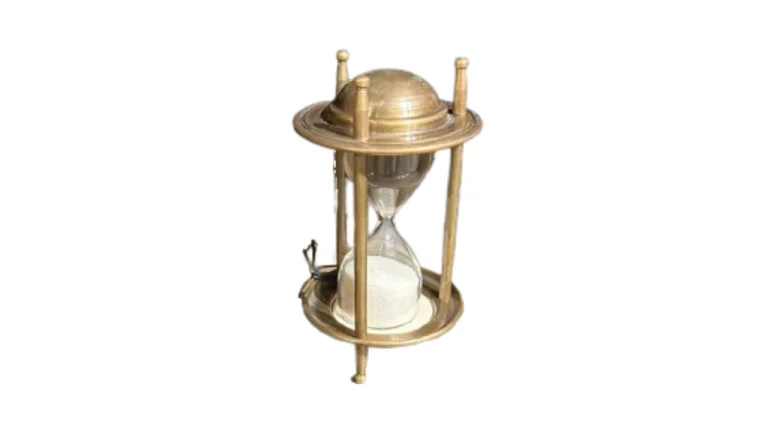
A characterful table clock, brass hourglass or decorative chess set gives guests something to talk about and adds the collected feel that designers recommend. Place one conversation piece at eye level on a side table or shelf rather than hiding it among other ornaments. Browse our home decor accessories for vases, candle holders, sculptures, trays and clocks that share the brass, marble and enamel finishes used throughout this guide.
Layered Lighting and Soft Textiles
Lighting and textiles decide whether a room feels like a showroom or a home. In Nigeria they also have practical work to do: lamps keep the evening mood when overhead lights are off, and fabrics must cope with heat, humidity and harmattan dust. Plan both together so the colours of cushions, throws and curtains look right under warm evening light as well as bright daylight.
Three to Five Light Sources
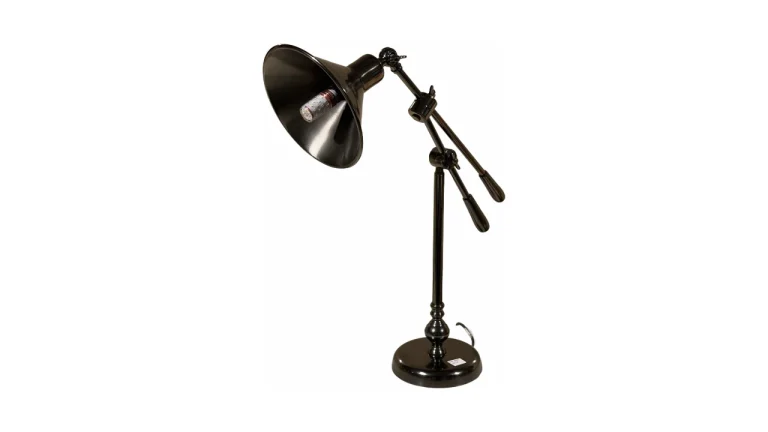
Relying on one ceiling light makes any parlour look flat. Aim for three to five sources at different heights: overhead or cove lighting, one or two table lamps, a floor lamp by the reading chair and candles for evenings. Choose warm bulbs (around 2,700 to 3,000 Kelvin) for a cosy glow. Rechargeable lamps and LED candles are a smart addition for evenings when the grid is off.
Cushions, Throws and Pattern Mixing
Cushion covers are the cheapest way to restyle a sofa: invest once in good inserts and change the covers with the seasons. Mix one large pattern (Ankara or a floral print), one smaller pattern (stripes or a geometric) and one plain texture such as linen or bouclé. Round or floor cushions break up rows of square pillows and double as extra seating when cousins visit. Breathable cotton and linen stay comfortable in humid months.
Rugs and Curtains That Suit the Climate
A rug large enough for the front legs of every seat to rest on it pulls the furniture into one conversation zone. Flatweave, jute and low-pile rugs shake out easily after harmattan. Hang curtains higher and wider than the window frame so the room looks taller, and layer sheers for daytime glare with heavier drapes for afternoon heat. Light-coloured drapes with soft swags add a formal touch to a reception room.

Indoor Plants and Greenery
Plants are the most reliable way to make a sitting room feel alive, and they suit nearly every colour scheme. Greenery softens hard furniture edges, adds height to an empty corner and connects the room to the garden or balcony. You can go big with one tall plant beside the sofa, keep a few small pots on shelves, or hang trailing plants near a bright window.
Easy-Care Plants for Nigerian Light
Snake plant, ZZ plant, pothos, peace lily and rubber plant cope well with indoor conditions and forgiving watering. Areca palms and fiddle-leaf figs like brighter spots near a window but away from harsh direct afternoon sun. Wipe leaves after dusty harmattan days so they stay glossy. If live plants are not practical, a few dried palm leaves or branches in a vase still bring a natural element into the room.
Planters and Placement
Treat the planter as part of the decor. Choose finishes that repeat elsewhere in the room, such as cream enamel with brass bands, terracotta clay or woven baskets, and always use an inner pot with drainage to protect floors. Place a large plant where it frames a view or fills an awkward corner, and group small pots in threes on a tray or shelf for a tidy look.

Personal Touches: Gallery Wall, Art and Photographs
The pieces that make a living room memorable are rarely bought in one afternoon. Family photographs, graduation portraits, a painting from a Lagos gallery, a carving from a grandparent’s house or a souvenir from a trip all tell visitors who lives there. The decorating challenge is to display them so they look curated rather than scattered across every wall.
Planning a Gallery Wall
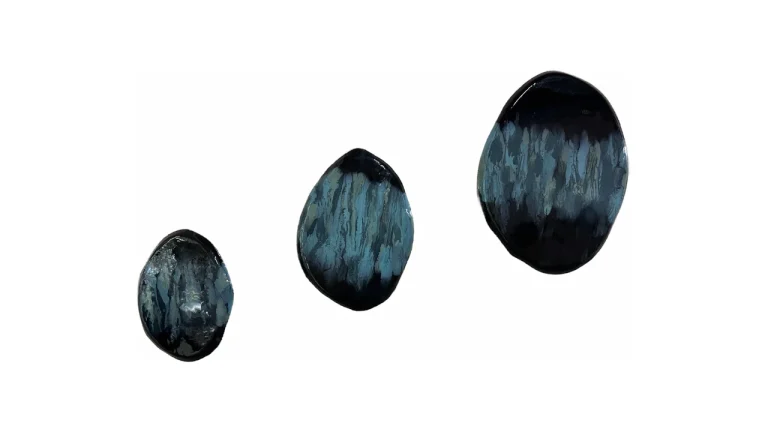
Lay the frames out on the floor first and trace them onto paper to tape on the wall before drilling. Keep gaps of about 5 to 8 centimetres, align either the centre line or one outer edge, and hang the middle of the group at roughly eye level. Mixing frames with a mirror, a woven plate or a set of wall vases adds depth. A photo ledge lets you swap pictures without new holes.
Art, Family Photographs and Heirlooms
Choose one large artwork above the sofa or console as the focal point and keep smaller pieces nearby. Original work by Nigerian artists, from abstract canvases to adire textile panels, gives far more character than generic prints. Frame family photographs in the same colour or finish so different eras and sizes still look like a set. Display one heirloom on its own so it gets the attention it deserves.
Mirrors That Bounce Light
A large mirror opposite or beside a window doubles the daylight and makes a narrow parlour feel wider. Round and arched mirrors also bring in the curved shapes that are trending this year. Hang a mirror where it reflects something worth seeing, such as a plant or artwork, rather than a doorway or the ceiling fan, and keep its frame finish consistent with lamps and vases.
Decorating Rules That Keep a Room Balanced
Interior decorators rely on a few simple rules of thumb. None of them are laws, but they explain why some rooms feel effortless and others feel slightly off. Use them as a checklist when a corner or shelf does not look right.
The Rule of Three and the 3-5-7 Rule
Odd numbers look more natural to the eye than even pairs, so decorators group accessories in threes, fives or sevens. A trio of objects with different heights and textures, for example a vase, a candle and a small sculpture, is the classic coffee table formula. The 3-5-7 rule simply extends this idea: larger surfaces such as a console or a long shelf can carry five or seven pieces.
The 3/4/5 Rule and the Two-Thirds Rule
The 3/4/5 rule is a proportion guide often shared online: work in a palette of about three colours, use around four textures and keep roughly five key furniture pieces in the main zone. The two-thirds rule covers scale: a coffee table should be about two-thirds the length of the sofa, and art above a sofa should span about two-thirds of its width.
Signs a Living Room Looks Dated
Most dated rooms suffer from the same handful of habits. Fixing even two of them makes a visible difference, usually without buying any new furniture:
- Fully matching furniture sets bought in one go, with no mix of materials.
- A single harsh ceiling light and no lamps.
- Rugs that are too small, floating in front of the sofa.
- Curtains hung low and short, or heavy dark drapes that block daylight.
- Clutter on every surface, including plastic flowers and old souvenirs gathering dust.
Decorating for Your Room Size and Household
The same decor principles apply everywhere, but the emphasis changes with the size of the room and the people who use it. A one-bedroom flat in Yaba, a family duplex in Lekki and a parlour that doubles as a dining area each need a slightly different approach.
Compact Flats and Mini Flats
In a small room, choose fewer but larger accessories, because many tiny objects read as clutter. Use mirrors, light curtains and wall-mounted pieces to free up surfaces, and pick furniture with visible legs so more floor shows. Nesting side tables and storage stools work hard without crowding the space. Keep the colour palette tight, with one accent repeated, so the room feels unified rather than busy.
Family Rooms for Children and Guests
A busy family room needs durable, washable fabrics, a sturdy rounded coffee table and closed storage baskets for toys and remotes. Keep fragile decor on higher shelves and choose heavier, stable vases and lamps. For seating plans that leave clear walkways, read how to arrange living room furniture; for the core pieces every room needs, see how to furnish a home before you start accessorising.
Carrying the Look Into Other Rooms
A home feels pulled together when the living room palette continues, in a quieter form, into the rest of the house. Repeat one accent colour and one metal finish in the bedroom and dining area. If you are planning ceilings elsewhere, compare ideas for pop design for bedroom and pop design for dining room so the cove lighting and decor tones flow from room to room.
A Simple Plan for Your Decor Refresh
Decor works best as a final layer on a room whose layout and main furniture are already settled. If you are still choosing sofas, ceilings and arrangement, start with our sitting room design in nigeria guide. Once the bones are in place, follow these steps in order:
- Declutter every surface and keep only the pieces you love.
- Choose a base, one accent colour and one metal or wood finish.
- Add a rug and curtains that suit the palette.
- Layer three to five light sources.
- Style the coffee table and shelves in groups of three.
- Finish with plants, art and personal photographs.
To see accessories and furniture finishes in person before you decide, visit a Vento showroom in Lagos, Abuja, Port Harcourt or Kaduna and bring photos of your room and fabric swatches with you.
Frequently Asked Questions
How do I decorate my living room?
Start by decluttering, then choose a neutral base, one accent colour and one metal or wood finish. Add a rug that anchors the seating, curtains hung high and wide, and three to five light sources. Finish with grouped accessories, plants, art and family photographs so the room feels layered, personal and calm.
What is the 3/4/5 rule in decorating?
The 3/4/5 rule is an informal proportion guide: use about three colours, around four textures and roughly five key furniture pieces in the main seating area. It keeps a room varied but not chaotic. Treat it as a starting checklist rather than a strict law, and adjust it for very small or very large rooms.
What are some good furniture ideas for a family room?
Good family room furniture includes a deep, comfortable sofa with washable or durable upholstery, a sturdy round coffee table without sharp corners, storage ottomans or baskets, side tables within reach of every seat and a lamp for reading. Leave clear walkways, and keep fragile decor on higher shelves away from children and pets.
What are 5 things that make a living room look dated?
Five common culprits are fully matching furniture sets, a single harsh ceiling light, a rug that is too small, curtains hung low or too dark, and clutter on every surface. Mixing materials, adding lamps, choosing a larger rug, raising the curtain rod and editing accessories will make the room look current again.
What colours are in style for home décor?
Warm neutrals such as cream, sand, oatmeal and warm grey are leading home décor in 2026, paired with earthy accents like terracotta, olive and sage, or cooler teal and deep blue. Antique brass, natural wood and cream enamel finishes add warmth. Bold colours work best in small doses through cushions, vases and art.
Which colour combination is best for a wall?
For most Nigerian living rooms, a soft neutral wall such as cream, warm white or light grey is the safest combination, because it reflects light and suits changing decor. Pair it with a slightly darker shade on one feature area, and bring stronger colour in through curtains, art and accessories rather than every wall.
Which 3 colour combination is best?
A dependable three-colour combination is a neutral base, a main accent and a metallic or wood finish, for example cream, teal and antique brass, or warm grey, terracotta and dark wood. Use the 60-30-10 split, giving most of the room to the base, a third to the secondary shade and a little to the accent.
What colours make a room look bigger?
Light and soft colours such as off-white, pale grey, sand, light sage and soft blue make a room look bigger because they reflect light and recede visually. Keep curtains close to the wall colour, use a large mirror near a window, and limit dark or bright accents to small objects so the space stays open.
What are the top home decor items for a sitting room?
The most useful sitting room decor items are a well-sized rug, cushions and a throw, curtains, table or floor lamps, a large mirror, one or two statement vases, a decorative tray, indoor plants in good planters, framed art or photographs and one conversation piece such as a clock or sculpture.
What are the Nigerian interior design trends for 2026?
Nigerian interior design trends for 2026 favour softer warm neutrals, fewer but stronger statement pieces, curved and sculptural shapes, and durable materials that suit family life. Local character is growing too, with Ankara and adire textiles, Nigerian art and decorative POP ceiling lighting combined with calm, uncluttered contemporary furniture.
One thought on “Living Room Decor Ideas for Nigerian Homes (2026)”
Comments are closed.